
Gemstone Authenticity: How to Identify Real Gems (2026 Guide)
Professional gemstone identification is the key to ensuring you are buying authentic diamonds and jewels. For serious collectors who hold rare and exquisite pieces, mastering gemstone identification is a vital part of protecting their investment. For many, this is a legacy business; ancestors invested in these stones as a reserve of wealth, and today, the second or third generations continue to use advanced gemstone identification techniques to manage and grow these enterprises.
While the word “stone” might suggest something inanimate, those within the industry recognize their immense value through proper gemstone identification. Professionals understand the nuances of quality and can accurately price a gem—a task impossible for a layperson without gemstone identification training. This specialized worth is why accurate gemstone identification is required for anything rightfully called a “precious stone.”
Origins and Trade:
Precious stones are scattered across the globe, hidden within mountains or formed in the depths of the ocean. Because their true extent is immeasurable, the process of gemstone identification has flourished for thousands of years. This trade is more demanding and complex than most businesses; for those with the expertise to perform accurate gemstone identification and access international markets, it is a prestigious and highly lucrative industry.
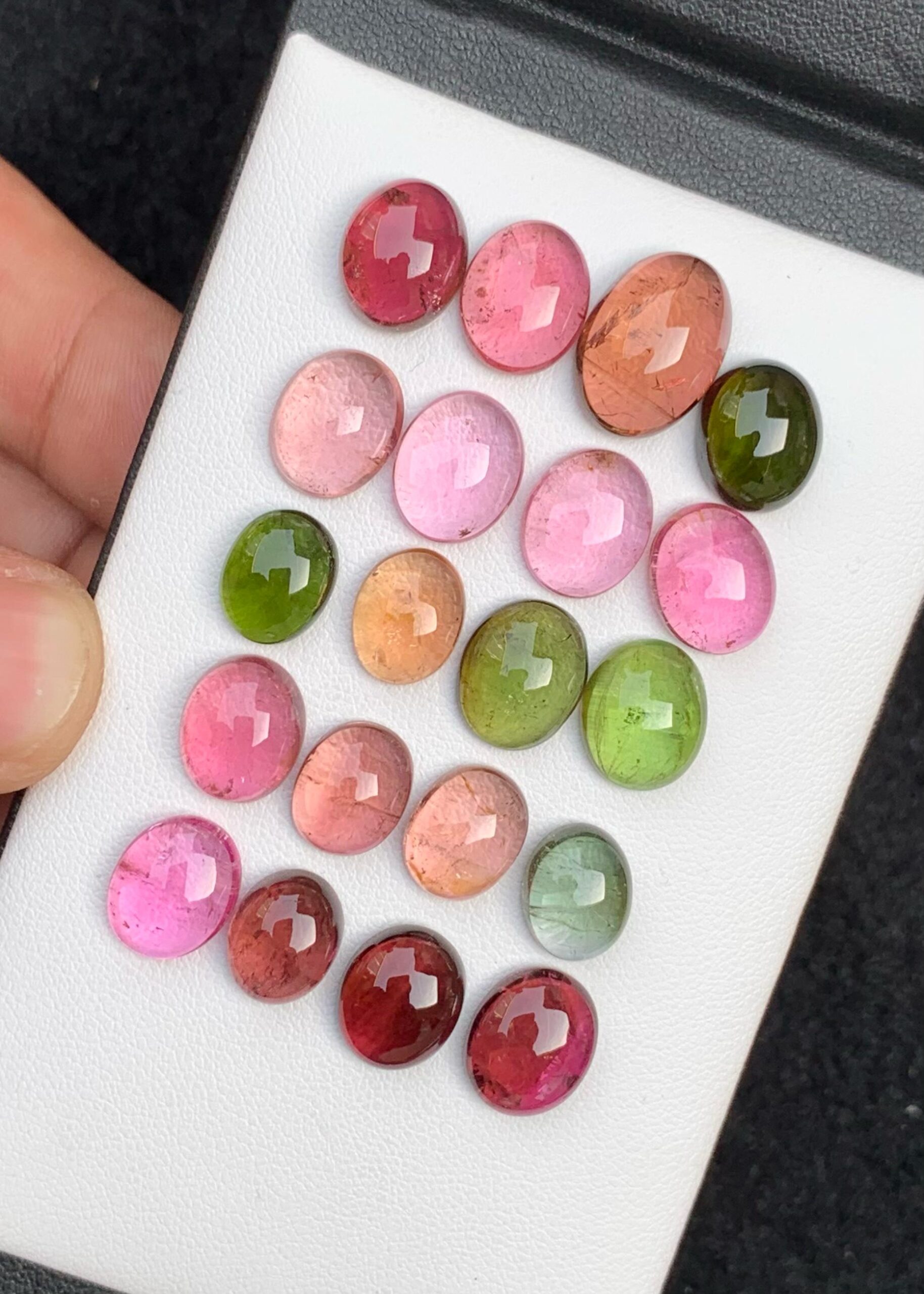
Historically, when humans first began trading, diamonds were among the first commodities used for exchange. In ancient times, because these were purely natural products, the need for gemstone identification was simpler as there was no concept of “adulteration.” Today, however, with stones coming in a breathtaking array of colors—from the deep red of a Ruby to the pale sky blue of an Aquamarine—modern gemstone identification is required to verify the origin and shade of each piece.
While stones from different regions may share basic physical properties, each location imparts unique characteristics. Therefore, mastering gemstone identification is the most important skill for any collector or investor looking to secure their legacy in the diamonds and jewelry trade.
How to Gemstone Authenticity at Home?
As the world evolved, so did greed and deception. Today, various metals or plastics are shaped to mimic the appearance of real stones, making the role of gemstone identification more critical than ever. However, man has never successfully replicated the core natural properties of a genuine gem. These are nature’s masterpieces, and without proper gemstone identification, it is easy to be misled by synthetic fakes.
Because human hands cannot instill natural characteristics into a lab-grown imitation, many people struggle with gemstone authenticity when buying from unverified sellers. This is why we emphasize that consistent gemstone identification is the only way to ensure your investment is protected. By utilizing professional gemstone identification standards, you can distinguish between a manufactured imitation and a true treasure of nature
Identifying a Diamond:
People often assume diamonds are only brilliant white stones, but various colored diamonds are also sold. Be cautious, as many claims regarding “natural” colored diamonds are based on falsehoods. Africa remains a primary source of high-quality diamonds.
A diamond is the hardest natural substance on Earth due to its unique atomic structure, capable of cutting through materials like glass. While a diamond reflects a “rainbow” of colors on its exterior, a common alternative in the international market is Moissanite. You can distinguish the two by looking at the “fire” (color flashes): in Moissanite, the rainbow colors emerge in large quantities from the inside out, whereas in a diamond, the sparkle is more refined and primarily on the surface
The Importance of Certification:
When purchasing a precious stone, always insist on a certificate from an authentic gemological laboratory. This certificate serves as definitive proof of the stone’s origin and natural state, which is essential if you ever decide to resell the item.
For diamond trading, international laboratory certificates are standard. If a stone does not have one, you should have it certified yourself to ensure your investment is secure. The following laboratories are the most trusted and recognized globally; you can verify their certificates through their official websites:
- GIA (Gemological Institute of America) gia.edu
- IGI (International Gemological Institute) – igi.org
- HRD Antwerp (Belgium) – hrdantwerp.com
- Gübelin Gem Lab (Switzerland) – gubelingemlab.com
- SSEF (Swiss Gemological Institute) – ssef.ch
Determining the exact price
Price of a diamond can challenge for an average customer because the value depends heavily on the 4Cs (Cut, Color, Clarity, and Carat). However, several international websites now exist to help customers understand the current market price of diamonds.
1. StoneAlgo (Best for Price Comparison) www.stonealgo.com
2. PriceScope (Best for Education and Market Charts) www.pricescope.com
3. Blue Nile (Best for Checking Retail Prices) www.bluenile.com
4. Rapaport (The Industry Benchmark) www.rapaport.com
Tips for Checking Prices Correctly
Enter the 4Cs accurately: When using these websites, always specify the exact Cut, Color, Clarity, and Carat. Even a slight change in one of these factors can result in a price difference of thousands of dollars.
Compare Certified Diamonds Only: Always compare prices for diamonds certified by GIA or IGI. A diamond without a reputable certificate does not have a standardized global market value.
For further assistance or expert advice, feel free to visit our contact page and get in touch with us.
This guide is ongoing. Please read Part Two to further enhance your knowledge.
Ambz International is your trusted partner in the world of natural and precious stones. Our experts always prioritize gemstone authenticity before any valuation from mining to the final customer; we maintain a strict philosophy: we deal only in natural stones. This commitment to authenticity has allowed our third generation in Pakistan to operate with the highest level of public trust across various business sectors.
Hardness and Physical Tests
| Gem Type | Color Examples | Mohs Hardness | Key Identifier |
|---|---|---|---|
| Diamond | White, colored | 10 | Surface rainbow fire |
| Emerald | Green | 7.5-8 | Natural inclusions |
| Ruby | Red | 9 | Scratch resistance |
| Aquamarine | Pale blue | 7.5-8 | Clarity with flaws |
| Topaz | Brown, pink | 8 | Density test |
(FAQs)
How can I tell if a diamond is real at home?
Check surface fire (not internal), fog test (clears instantly), and scratch glass. When testing for gemstone authenticity, always use a professional loupe to check for internal inclusions.
Can moissanite pass as diamond?
No double refraction under loupe and tester confirms. Real diamonds show single crisp image.
Practical Tips for Buyers
Buy from certified dealers like Ambz International, specializing in natural stones from Pakistan.
Request “last updated January 2026” reports for current standards.
Read Part Two for more on treatments and market trends.
CTA: Get your gem certified today—contact a lab or trusted expert!
Ambz International upholds three generations of trust, sourcing only natural precious stones from mine to market.
Thank you for reading our guide on gemstone authenticity and identification